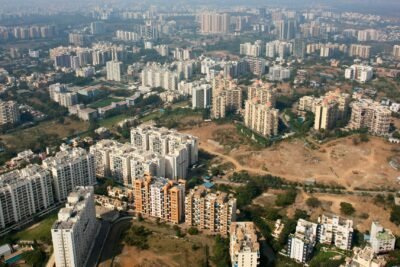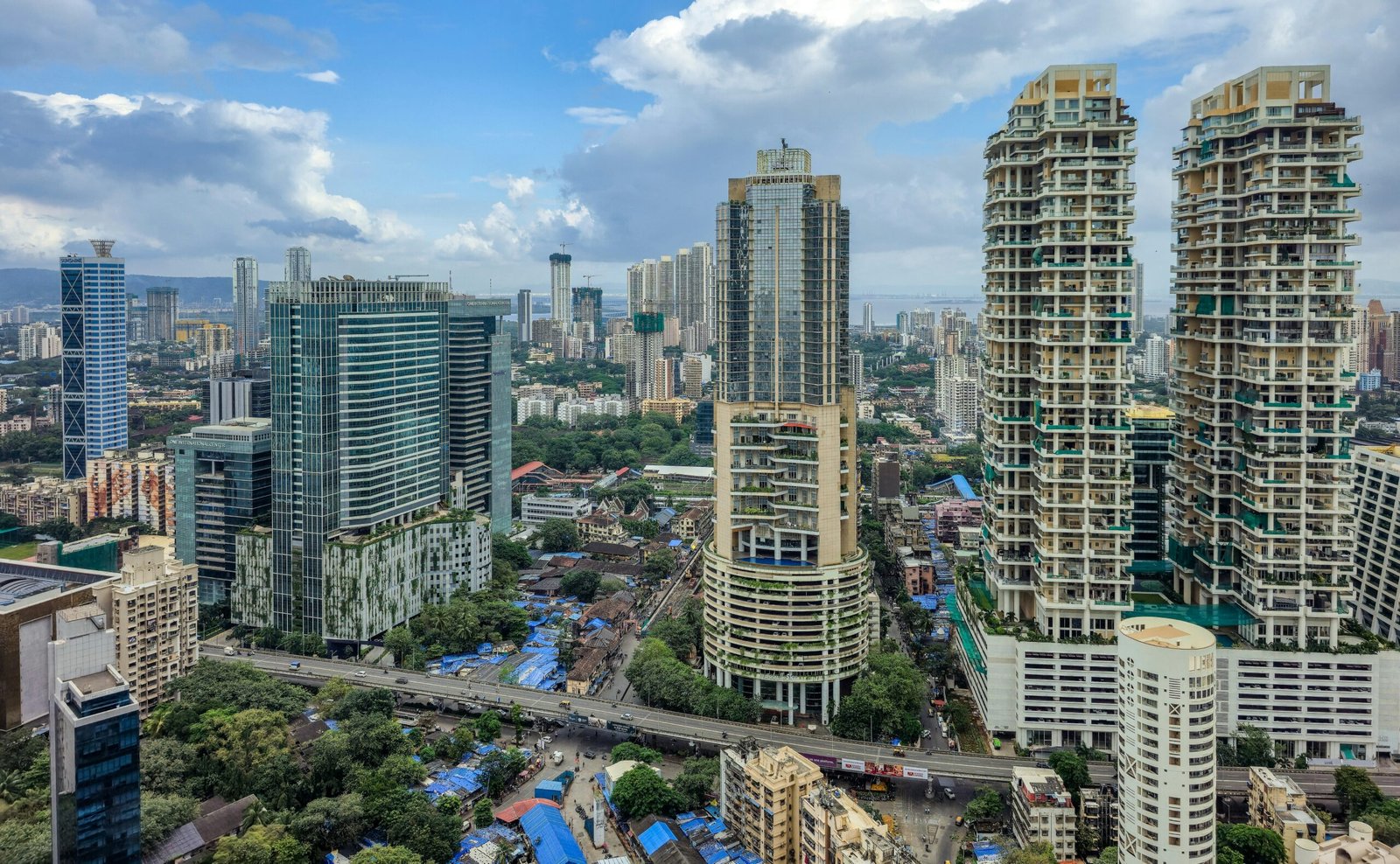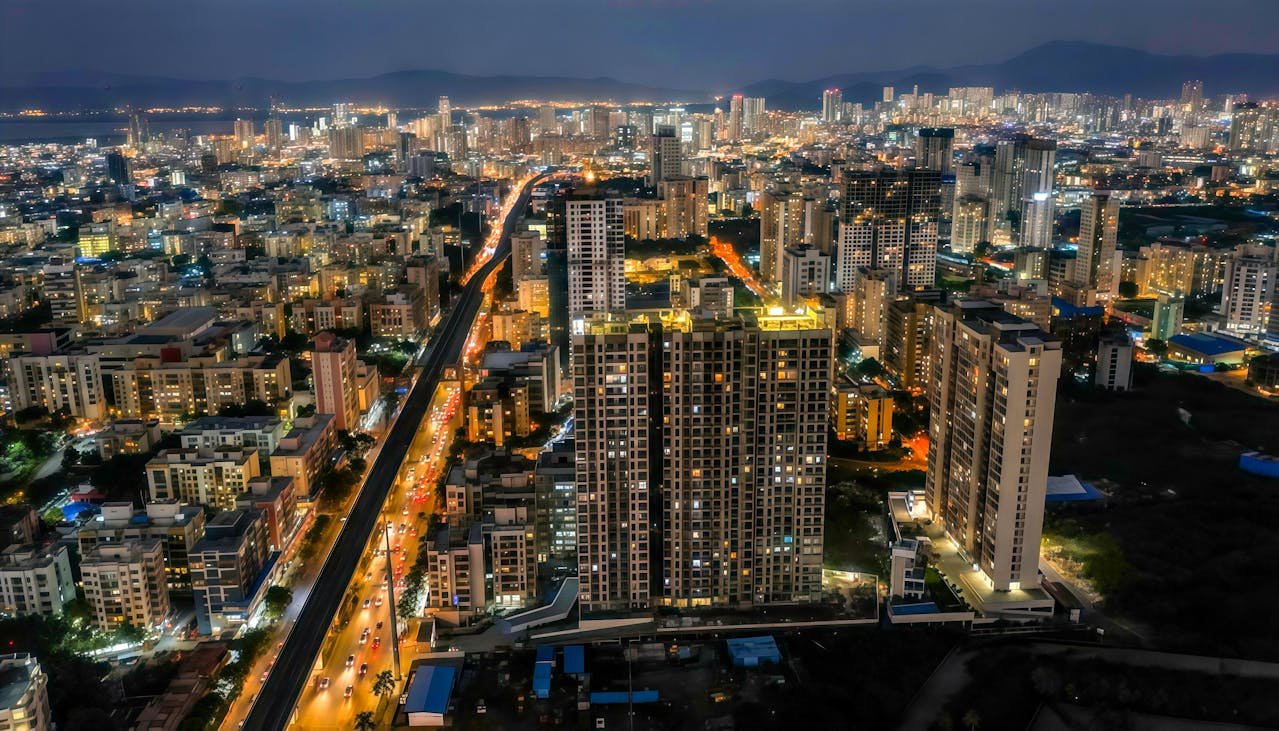

Real estate investment in India is getting more focused in 2026. Investors are moving away from picking cities just for their reputation. Now, they look for specific areas where job growth, good infrastructure, and strong demand come together.
This change matters because returns are no longer spread across entire cities. Instead, profits are coming from certain neighbourhoods within each city.
How Investors Are Evaluating Cities in 2026
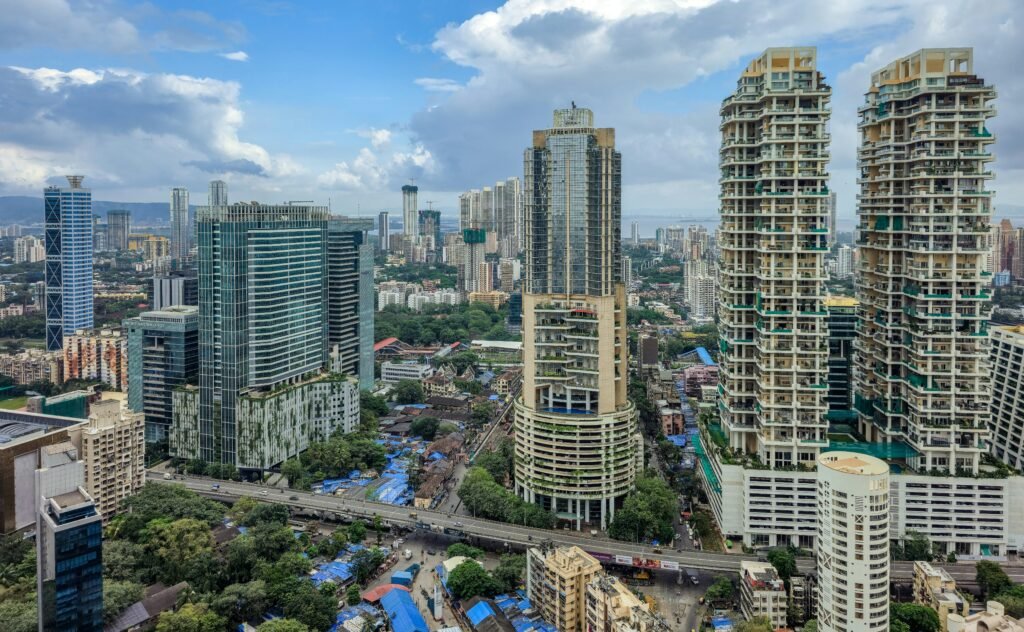
The evaluation process has become more structured. Buyers and investors are focusing on:
- Proximity to employment hubs
- Metro and road connectivity
- Rental demand consistency
- Developer credibility
- Supply pipeline in the area
This approach is reducing risky buying and boosting interest in well-established areas.
City Comparison Based on Investment Potential
Bangalore
Bangalore continues to attract strong investment due to its technology-driven economy.
Key areas:
- Whitefield
- Sarjapur Road
- North Bangalore
Why it works:
- Strong rental demand
- Stable absorption
- Consistent job creation
For deeper insights, see Bangalore property price trends.
Hyderabad
Hyderabad is becoming more popular because it’s affordable and its infrastructure is growing.
Key areas:
- Gachibowli
- Financial District
Why it works:
- Lower entry cost
- Growing commercial activity
- Higher rental yield potential
Pune
Pune gives investors a good balance of risk and reward.
Key areas:
- Hinjewadi
- Wakad
- Baner
Why it works:
- Mid-income housing demand
- Stable rental market
- Lower volatility compared to metros
Delhi NCR
The NCR market is picky, and success depends a lot on the exact location.
Key areas:
- Gurgaon
- Noida
- Dwarka Expressway
Why it works:
- Infrastructure upgrades
- Corporate expansion
- Improving connectivity
Where Investors Are Actually Putting Money
Investment is moving towards:
- Areas near operational metro lines
- Locations close to IT and business hubs
- Projects by established developers
- Markets with limited unsold inventory
This shows that investors are moving away from risky bets and focusing more on real demand.
What Investors Should Avoid
- Peripheral locations without infrastructure
- Projects with delayed timelines
- High supply zones with weak rental demand
- Developments dependent only on future announcements
How to Choose the Right City for Your Budget
Rather than asking which city is best, investors should consider these questions:
- Does this location have job demand?
- Is rental demand consistent?
- Is the infrastructure already functional?
- Are prices aligned with actual demand?
For rental-focused decisions, read rental yield in Indian cities.
Conclusion
In 2026, the top cities for real estate investment in India aren’t just the most popular ones. The real winners have strong local markets, ready infrastructure, and steady demand.
Bangalore, Hyderabad, and Pune give investors good, balanced options, but NCR needs more careful picking. Investors who look at data and local factors will do better than those who just follow general trends.