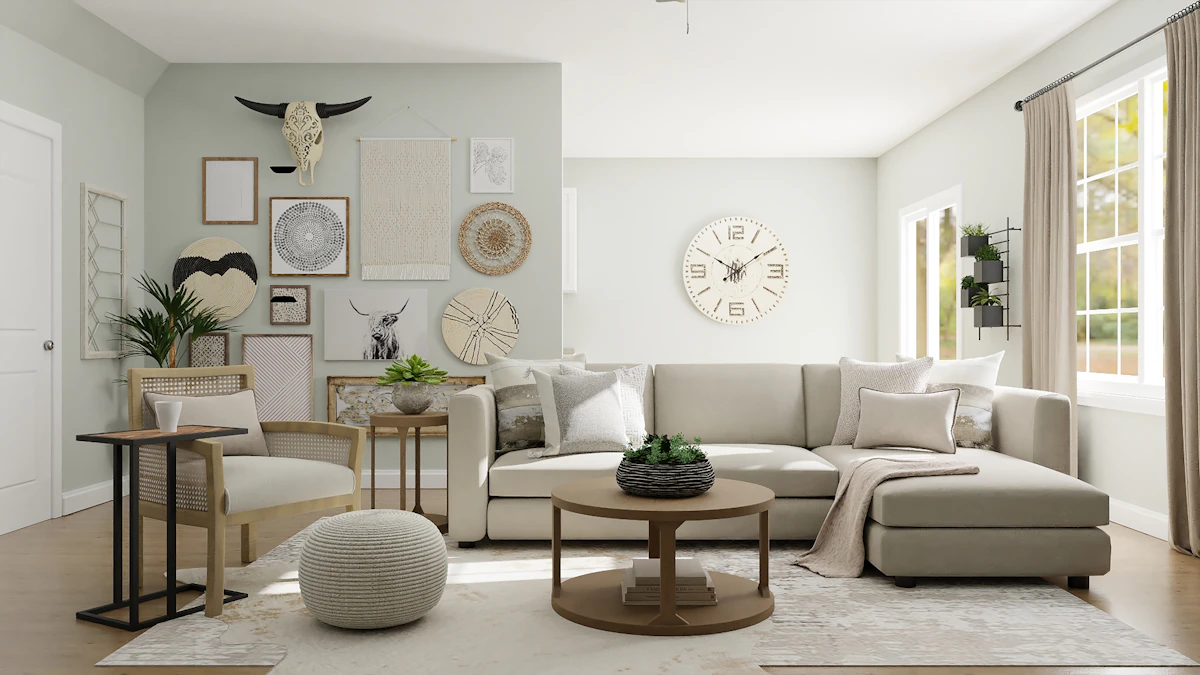
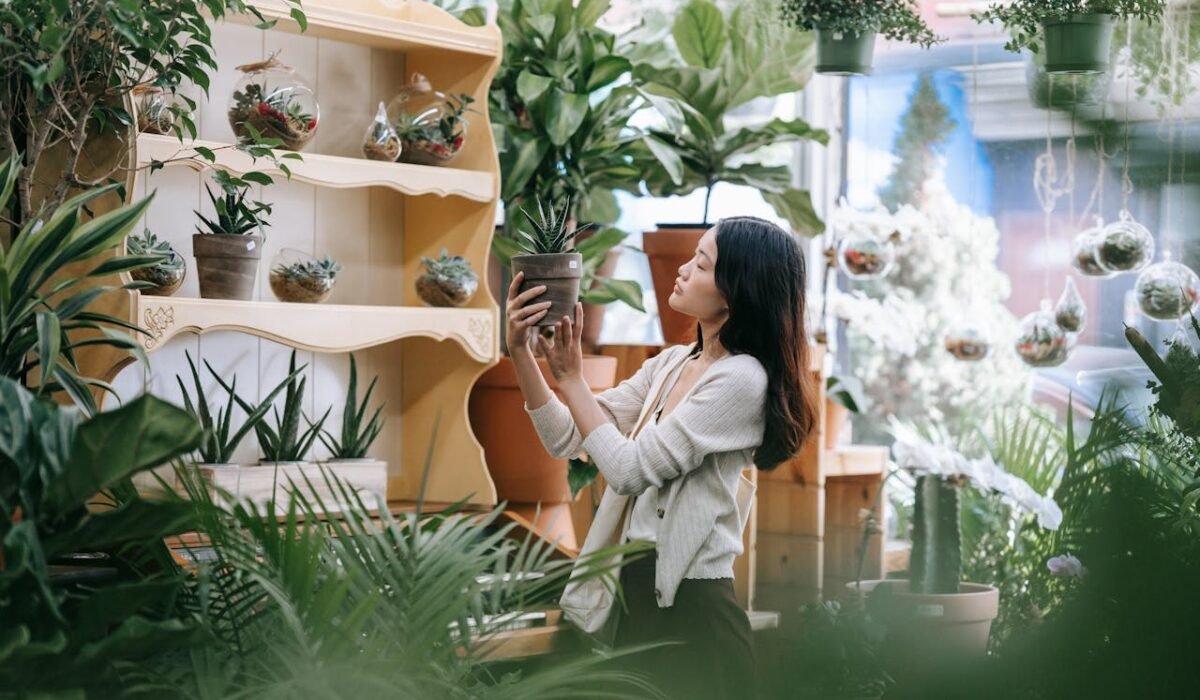
Indoor plants have become more than just decorations in Indian homes. People now see them as a way to support wellness, balance energy, and encourage mindful living. Feng shui plants are especially popular in cities, as many believe they bring wealth, positivity, and emotional balance.
Homeowners in cities like Bengaluru, Mumbai, Delhi, and Pune are adding feng shui-inspired touches to their apartments, villas, and modern homes.
Feng shui started as an ancient Chinese design idea, but many of its principles match Indian tastes for calm and balanced homes. Some plants are thought to help with financial growth, reduce negative energy, and make the home feel better overall.
Why Feng Shui Plants Are Popular in Modern Indian Homes
City life can be stressful, with less access to nature and smaller living spaces. Indoor plants help make modern homes feel softer and look better, while also improving air quality.
Feng shui plants are particularly popular because they combine:
- Decorative appeal
- Symbolic positivity
- Low maintenance requirements
- Wellness-focused interiors
Many Indian homeowners now use indoor plants not just for looks, but also to create a calm and balanced atmosphere at home.
Money Plant: The Most Popular Feng Shui Plant
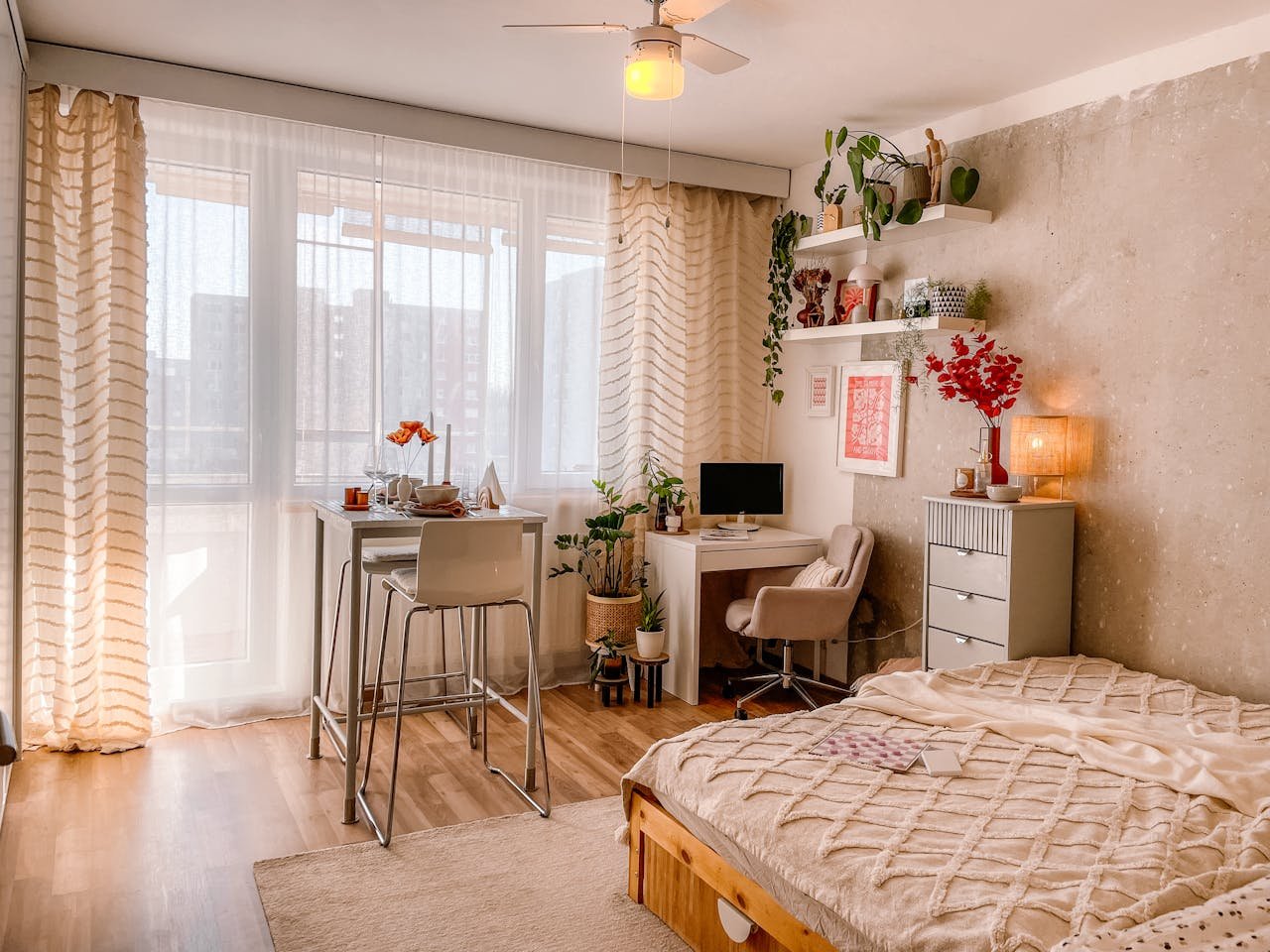
The Money Plant is well known for its link to financial growth and prosperity.
It is one of the most common indoor plants in Indian homes because it is easy to care for and grows well in apartments.
Ideal Placement
- Southeast corner of the home
- Living room
- Balcony near indirect sunlight
Why It Works Well in Indian Apartments
- Requires minimal maintenance
- Suitable for compact spaces
- Grows well in water and soil
- Matches modern interiors
Many homeowners also use hanging planters or wall-mounted pots to maximise space in small apartments.
Jade Plant for Financial Stability
The Jade Plant is seen as a symbol of wealth, growth, and success.
Its round leaves look like coins, so people often connect it with abundance and business success.
Best Locations
- Entrance areas
- Home office desks
- Study rooms
Jade plants are especially popular with entrepreneurs and working professionals who want plants that are easy to care for.
Lucky Bamboo and Positive Energy

Lucky Bamboo is another popular feng shui plant, known for bringing luck and harmony.
The number of stalks in a lucky bamboo arrangement stands for different things in life:
- 2 stalks for relationships
- 3 stalks for happiness
- 5 stalks for health
- 8 stalks for prosperity
Many people in Indian apartments or offices like lucky bamboo because it fits well in small spaces and matches modern decor.
Areca Palm for Calm and Balance
The Areca Palm is appreciated for its gentle look and its ability to clean the air.
In homes inspired by feng shui, people believe it helps create a calm feeling and a good flow of energy.
Suitable Areas
- Living rooms
- Balcony corners
- Near large windows
Its tropical appearance also complements contemporary Indian interiors, especially in larger apartments and villas.
Snake Plant for Protection and Air Purification
The Snake Plant is known for its simple look and practical benefits.
It is believed to absorb negative energy while improving indoor air quality.
Why Urban Homeowners Prefer It
- Extremely low maintenance
- Tolerates low light
- Works well in bedrooms and hallways
- Ideal for busy professionals
Minimalist homes often include snake plants because of their clean, modern look.
Best Feng Shui Plant Placement Tips
Where you place your plants is important in feng shui-inspired homes.
Recommended Guidelines
- Avoid dried or unhealthy plants.
- Keep indoor plants clean and dust-free
- Do not overcrowd small spaces.
- Use ceramic or natural-finish planters.
- Ensure sufficient indirect sunlight.
Areas to Avoid
- Dark corners with no airflow
- Cluttered storage areas
- Bathrooms with poor ventilation
People believe that healthy plants show a healthy flow of energy in the home.
Combining Feng Shui with Indian Home Decor
Indian homes are mixing global decor styles with traditional designs more than ever.
Feng shui plants work particularly well with:
- Minimalist interiors
- Wooden textures
- Neutral colour palettes
- Natural lighting
- Balcony gardens
Many homeowners also combine feng shui principles with Vastu-inspired layouts to create balanced living environments.
Budget-Friendly Feng Shui Plant Ideas
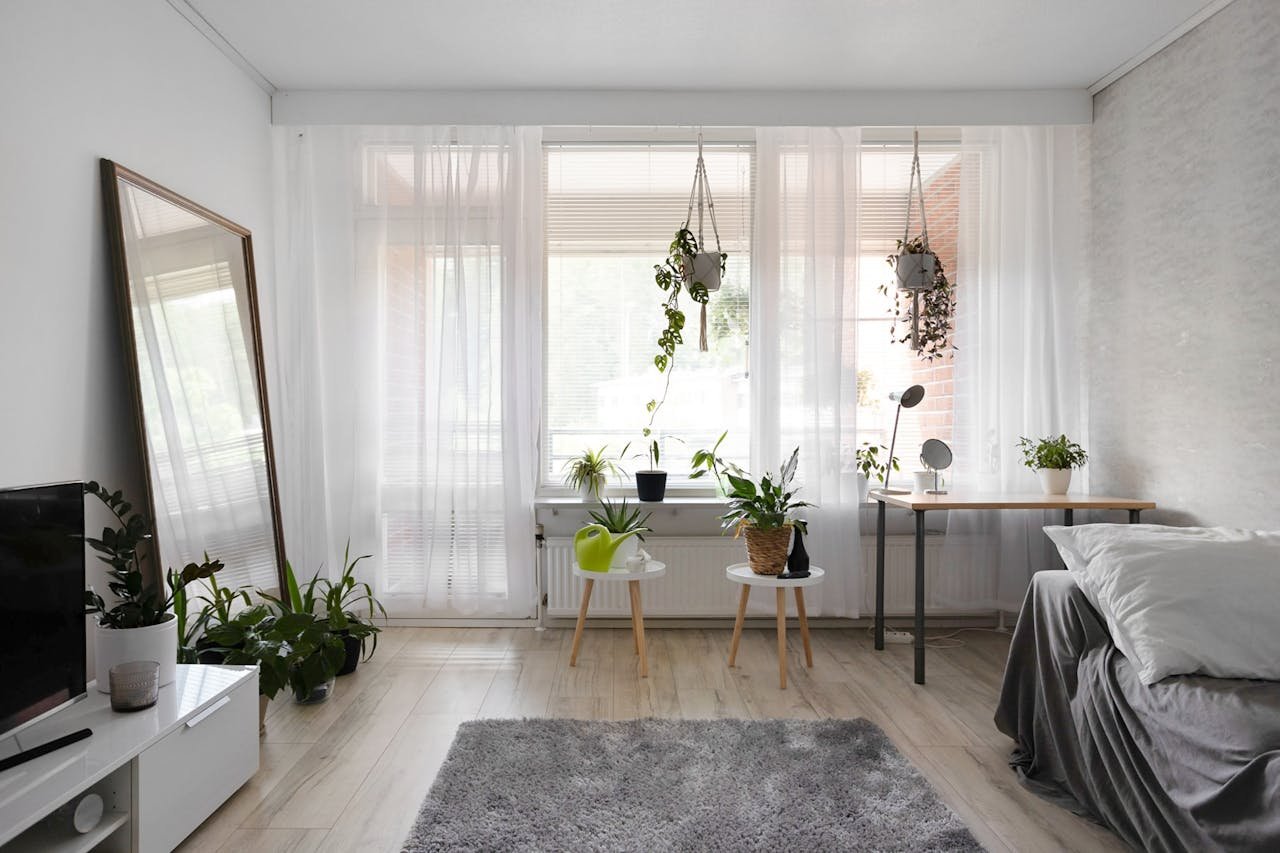
You do not need to spend a lot to create a positive atmosphere at home.
Affordable options include:
- Tabletop planters
- Hanging pots
- Balcony shelves
- Indoor herb corners
- Glass water planters
Most feng shui plants are easy to find and affordable at local nurseries or online plant shops in India.
The Growing Trend of Wellness-Focused Interiors
The growing focus on wellness is changing how people design their homes in Indian cities.
Homebuyers and renters increasingly prefer spaces that feel:
- Calm
- Organised
- Nature-connected
- Stress-free
Indoor greenery plays an important role in achieving this atmosphere. Feng shui plants, in particular, have become part of a broader movement toward mindful and wellness-oriented homes.
Conclusion
Feng shui plants are now a key part of modern Indian homes, especially in city apartments where people want both comfort and positive energy. Plants like money plant, jade plant, lucky bamboo, and snake plant offer both beauty and meaning.
With thoughtful placement and proper care, feng shui plants can help create homes that feel more peaceful, welcoming, and connected to nature.