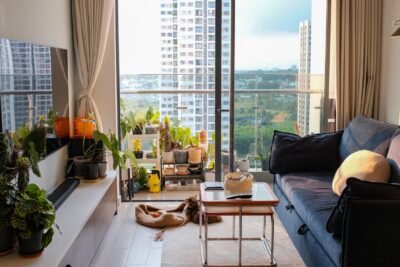
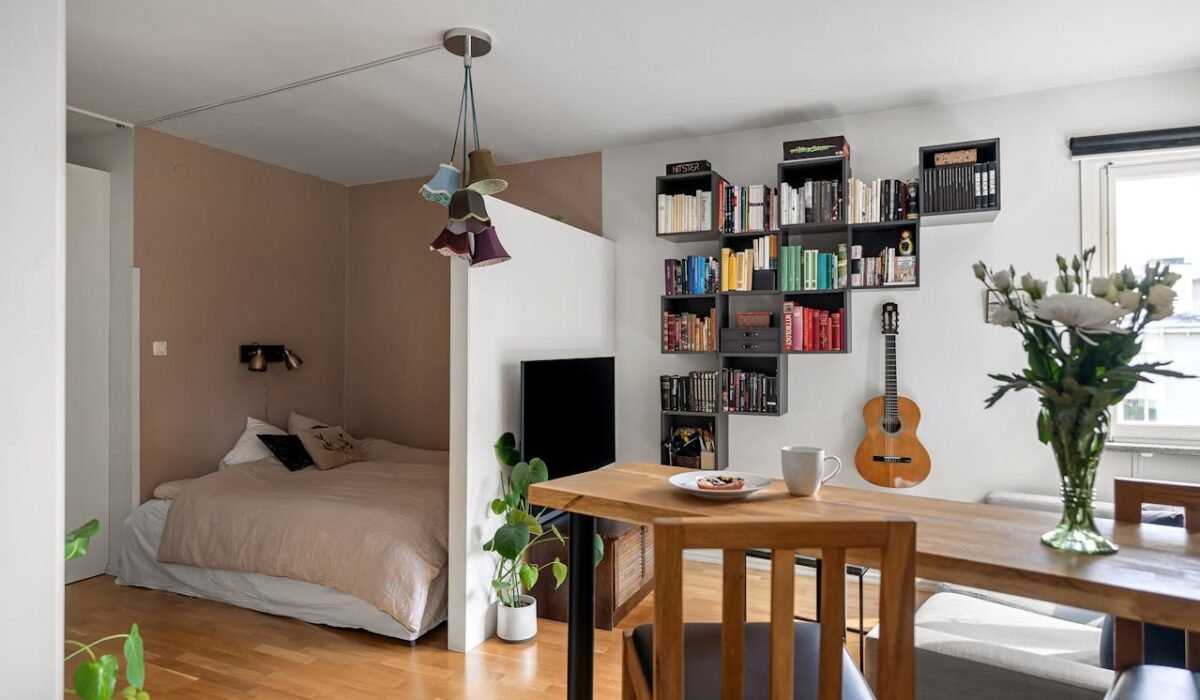
Small apartment interior design in 2026 is becoming a sharper focus of discussion in India as buyers, investors, and developers reassess demand for compact homes in Mumbai, Pune, and Bangalore. The immediate shift is not only about prices. It reflects employment corridors, infrastructure timing, supply discipline, financing cost and the preference for credible developers. For readers tracking real estate investment in India, the change is important because it shows where end-user demand is separating from speculative activity.
Table of Contents
- Key Drivers or Market Factors
- Price Trends or Demand Analysis
- Impact on Buyers or Investors
- Outlook
- Practical Checklist
Key Drivers or Market Factors
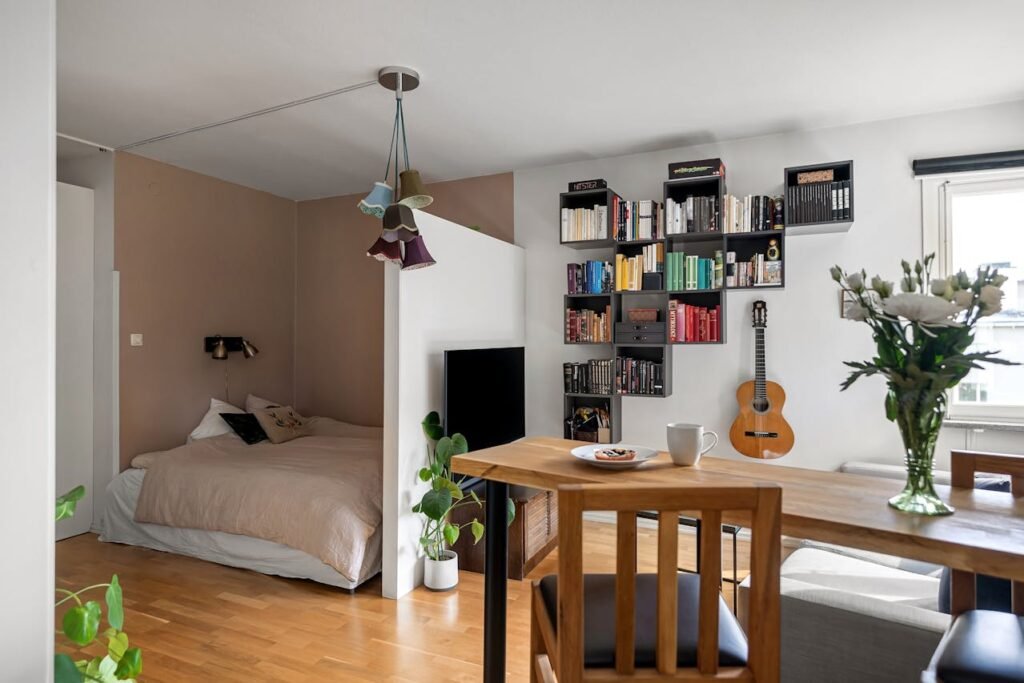
The main drivers are storage, lighting, and multifunctional furniture. In Mumbai, Pune and Bangalore, enquiries for compact homes are strongest where commute time, social infrastructure and project delivery visibility are improving together. Buyers are no longer treating every locality in India as comparable. They are screening the developer’s track record, payment plans, possession timelines, maintenance costs, and resale depth before moving ahead.
Another factor is the formalisation of the Indian housing market. Large developers with stronger balance sheets are gaining share, while smaller projects face tighter buyer scrutiny. This is visible in launch absorption, broker feedback and the premium that buyers are willing to pay for execution certainty. The trend also connects with Bangalore real estate market trends, especially in cities where infrastructure corridors are changing travel behaviour.
Price Trends or Demand Analysis
Price movement is selective. Prime micro markets with job access and limited fresh supply are holding firm, while locations with heavy launches are seeing more negotiation. In India, demand for compact homes in Mumbai, Pune and Bangalore is strongest among buyers of compact homes. Ticket sizes remain sensitive to interest rates, but buyers with stable income are still entering the market when the project has a clear value proposition.
Developers are responding with phased launches, smaller inventory releases and amenities that support hybrid work, security and community living. The wider implication is that price growth in 2026 may remain corridor-specific rather than city-wide. A buyer looking only at headline averages may miss the difference between a mature locality and an emerging peripheral belt.
Impact on Buyers or Investors
For buyers, the practical takeaway is disciplined comparison. Evaluate price per square foot, carpet area efficiency, construction stage, RERA disclosures and likely rental demand. Investors should also compare holding period, exit liquidity and competing supply. The market is still attractive for home decor updates, but returns will depend on micro-market selection rather than broad optimism.
Compact home buyers should avoid assuming that every new launch will deliver quick appreciation. Projects near employment hubs, metro links, airports, expressways and established retail clusters have a stronger case. Projects that rely only on future promises need deeper due diligence.
Detailed Planning Framework
A deeper review should start with how a household actually uses space throughout the day. In Indian homes, the same room may serve as a workspace, study area, family gathering space, and storage. This makes layout efficiency as important as headline area. Buyers should review natural light, cross-ventilation, privacy, furniture placement, storage depth, and maintenance exposure before considering a home suitable for them.
For apartments, the most important checks are entrance width, kitchen workflow, bedroom privacy, balcony usability and utility area separation. For villas and plotted homes, the review should also include site orientation, setback usage, parking access, water drainage and future expansion. These factors influence resale demand because buyers increasingly compare homes on daily usability, not only on carpet area or brand name.
Direction-Based and Room-Wise Evaluation
Direction-based planning should be treated as a practical layer, not as a substitute for engineering or legal due diligence. Entrance placement, kitchen direction, bedroom orientation and prayer space location can influence buyer sentiment in several Indian markets. North- and east-facing homes usually attract greater interest from many buyer groups, but a well-designed west- or south-facing apartment can still perform well if light, ventilation, and layout quality are strong.
Room-wise evaluation should focus on function. The living room should support movement and seating without blocking daylight. The kitchen should have a clear work triangle and safe ventilation. Bedrooms should allow storage without reducing circulation. Bathrooms should have proper wet-and-dry separation. Balconies should be usable rather than ornamental. These details matter because they affect both owner satisfaction and rental appeal.
Buyer Checklist Before Final Decision
- Compare the usable carpet area with the quoted super built-up area.
- Check whether furniture placement works without blocking doors and windows.
- Review maintenance cost, society rules and long-term repair exposure.
- Verify natural light, ventilation and noise levels at different times of the day.
- For investment property, compare expected rent with similar homes in the same micro market.
The strongest decision is usually a combination of market logic and household fit. A home that looks attractive in photographs can underperform if storage is limited, the kitchen is inefficient, or the layout does not match the needs of the buyer segment. This is why premium real estate decisions increasingly require both data and practical inspection.
Editorial Note on Market Use
Readers should treat this guide as a planning document for shortlisting, negotiation and comparison. It can support conversations with brokers, architects, interior designers, and family decision-makers. However, every final decision should also consider legal title, project approvals, construction quality, loan terms and the buyer’s own holding period. In competitive Indian real estate markets, the difference between a good purchase and an average one often lies in the quality of pre-purchase questions.
Outlook
The outlook for small apartment interior design in 2026 remains constructive but uneven. Demand is likely to stay resilient in locations with job creation, transport upgrades and credible developers. Price growth may moderate in overheated pockets, but well-connected residential and commercial nodes should continue to attract capital. For the next few quarters, the decisive question will be whether income growth and infrastructure delivery can keep pace with rising property prices.
Practical Application
Readers should apply this analysis through a structured checklist. First, compare the locality against work centres, schools, hospitals and transport links. Second, review project documentation and possession timelines. Third, compare at least three competing projects in the same price band. Fourth, use conservative assumptions for rental yield, loan eligibility and resale value.
Room Wise or Use Case Checklist
For home planning categories such as Vastu, decor, and lifestyle, the decision should be made room by room. The entrance, kitchen, master bedroom, children’s room, living area, balcony, and utility zone should be reviewed for lighting, ventilation, storage, and daily usability. Premium finishes are useful only when the layout supports practical living.
Dos and Don’ts
- Do verify dimensions, ventilation and usable carpet area before finalising.
- Do compare maintenance cost and future repair exposure.
- Do align interiors with resale and rental demand.
- Don’t overspend on cosmetic upgrades that do not improve utility.
- Don’t ignore society rules, parking allocation and common area quality.
The strongest housing decisions in 2026 will come from combining market data with practical use. A well-located project with efficient design, credible delivery and realistic pricing can still outperform, even when the broader market appears expensive.