



Introduction
Mumbai’s metro expansion is becoming one of the most important drivers of residential market activity in 2026. The impact extends beyond transportation convenience and is increasingly influencing housing demand, rental movement, and property pricing across multiple parts of the city.
As commuting habits shift, buyers are rethinking which neighbourhoods offer good long-term value. Places that used to seem too far away are now getting more attention because better metro links make them easier to reach.
This is leading to gradual changes in home prices across several parts of Mumbai.
Why Metro Connectivity Is Changing Buyer Behaviour

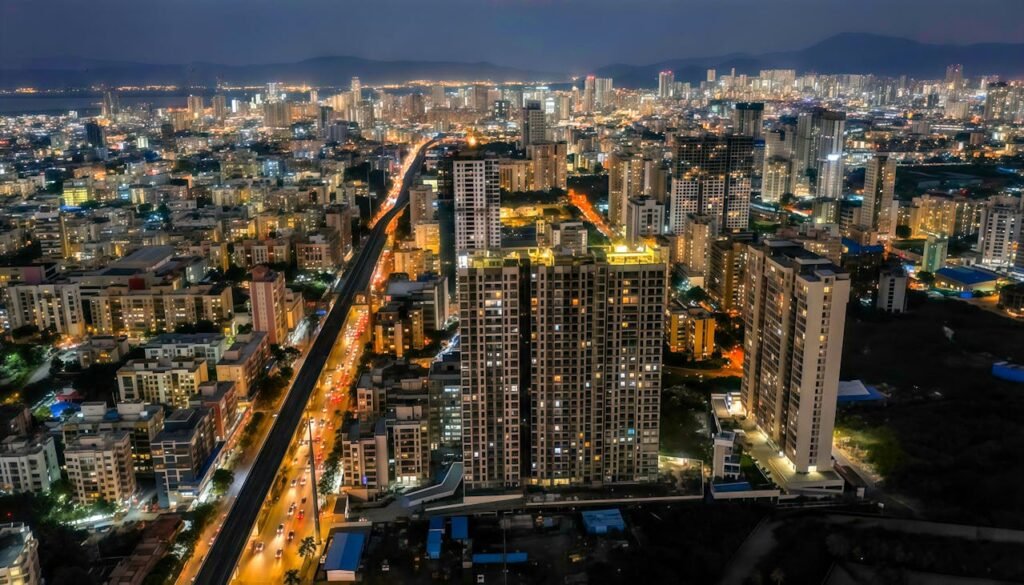
Homebuyers in Mumbai are increasingly prioritising:
- Faster daily commute
- Better access to business districts
- Reduced traffic dependency
- Connectivity to multiple transport systems
This change matters a lot in Mumbai, where how long you spend traveling can really affect your quality of life.
As the metro network grows, demand for homes is spreading out from the usual high-end areas to new, up-and-coming neighbourhoods.
Corridors Seeing Stronger Housing Activity
Western Suburbs
Several western suburban locations are benefiting from improved metro access and connectivity upgrades.
Areas witnessing stronger residential activity include:
- Andheri
- Goregaon
- Kandivali
- Dahisar
Improved transit access is supporting both:
- End user demand
- Rental occupancy
Central and Eastern Corridors

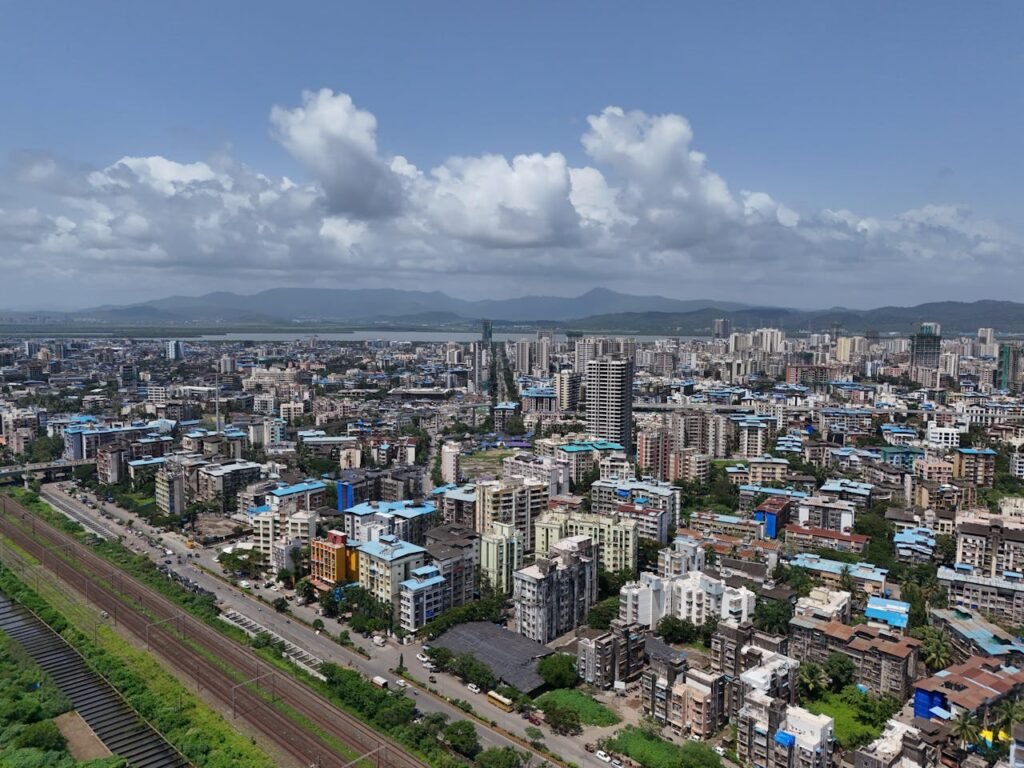
Eastern and central suburban corridors are also attracting attention due to improved accessibility.
Areas connected through expanding metro lines are experiencing:
- Better buyer confidence
- Increased residential enquiries
- Gradual pricing improvement
This is especially clear in places where the metro means people don’t have to rely as much on road travel.
Peripheral Growth Zones
Some peripheral markets are also benefiting as connectivity improves.
However, investors should distinguish between:
- Operational infrastructure
- Future proposed connectivity
Areas with working metro stations are seeing steadier and stronger demand than places where the metro is only planned for the future.
How Metro Expansion Is Influencing Property Prices
The price impact of metro infrastructure is not uniform across Mumbai.
Locations experiencing the strongest movement usually combine:
- Operational metro connectivity
- Residential density
- Office accessibility
- Limited supply availability
In many areas, the biggest changes can be seen in:
- Rental demand growth
- Occupancy improvement
- Buyer enquiries
rather than immediate sharp price spikes.
Rental Demand Near Metro Corridors
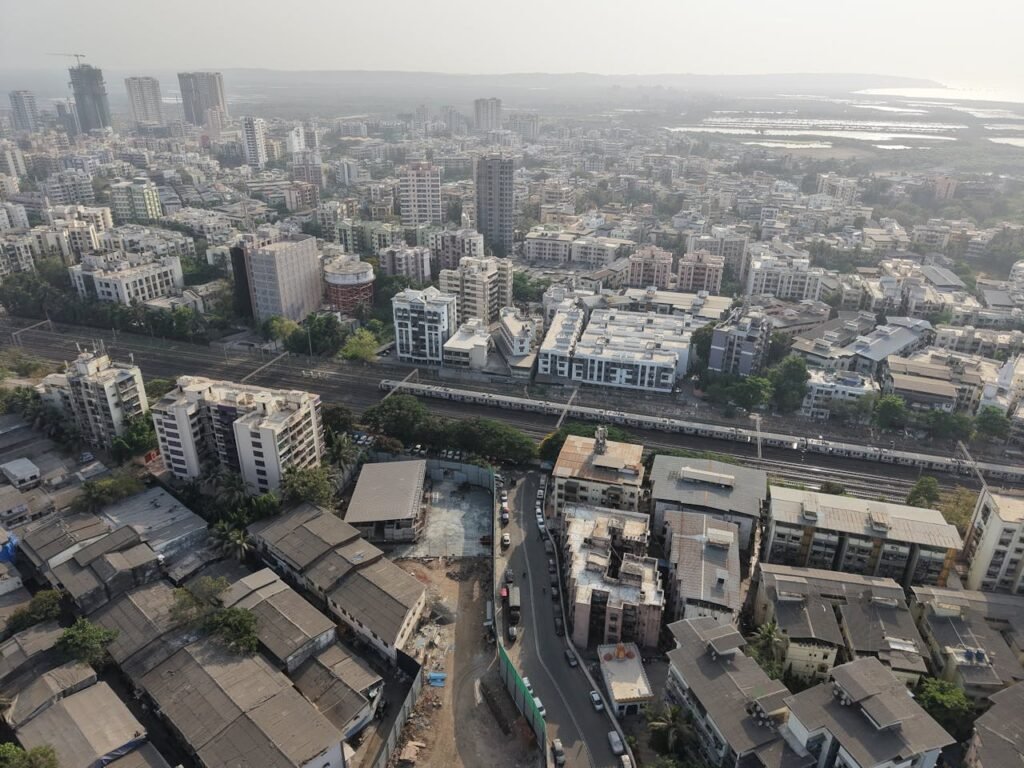
Metro connectivity is becoming increasingly important for tenants as well.
Rental demand is strengthening in areas where residents can:
- Reduce commute time
- Access commercial hubs efficiently
- Avoid traffic congestion
This is helping landlords keep their properties filled in neighborhoods with good metro links.
For rental market insights, read rental yield in Indian cities 2026.
What Investors Should Watch Carefully
Not every location near a proposed metro corridor will automatically perform well.
Investors should evaluate:
- Actual construction progress
- Operational timelines
- Surrounding infrastructure quality
- Existing residential demand
- Inventory levels in the locality
Markets driven only by future expectations may take longer to deliver meaningful appreciation.
Impact on End Users
For end users, metro connectivity is increasingly becoming a lifestyle and convenience factor.
Projects near functional transit corridors often offer:
- Better accessibility
- Improved daily mobility
- Stronger long-term usability
This is especially important for working professionals and families who manage long commutes within Mumbai.
Outlook
Mumbai’s metro expansion is gradually reshaping housing demand across multiple residential corridors in 2026.
The strongest impact is likely to remain concentrated in locations where:
- Metro connectivity is operational.
- Commercial access is strong.
- Residential demand already exists.
Rather than creating a uniform city-wide appreciation, the metro network is strengthening specific transit-oriented housing corridors.
For broader market insights, also explore Pune real estate market 2026 and property trends and infrastructure analysis.