


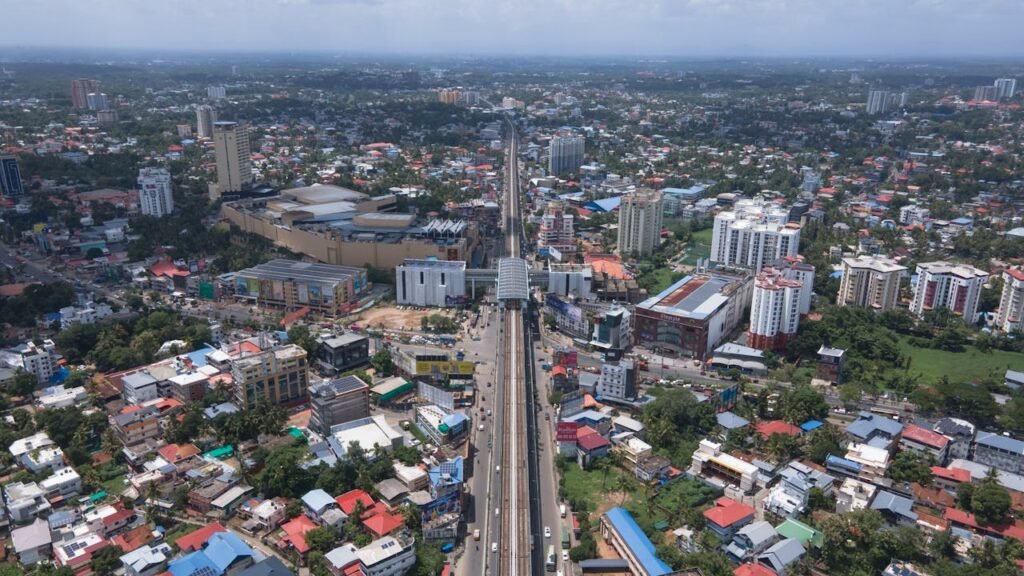
Infrastructure growth is now a key factor driving real estate in India, with metro rail projects leading the way. In cities like Bengaluru, Mumbai, Pune, and the National Capital Region, new metro lines are boosting home demand, increasing rents, and raising property values over time.
Metro projects are now affecting property prices beyond just premium areas. Suburbs and outlying neighbourhoods are also attracting buyers and investors due to better access and growth prospects.
Why Metro Connectivity Influences Property Prices
Metro networks cut down travel time, make daily life easier, and connect homes with business areas more efficiently.
This directly affects:
- Residential demand
- Rental yields
- Commercial activity
- Land value appreciation
- New project launches
Homes near metro stations usually cost more because buyers value easy travel in crowded cities.
As traffic gets worse in many cities, having metro access is becoming a top priority for people looking to buy homes.
Bengaluru: Metro Corridors Driving New Growth Zones
The growth of the Namma Metro has changed several real estate areas in Bengaluru.
Areas such as:
- Whitefield
- Electronic City
- Hebbal
- Sarjapur Road
- KR Puram
have seen more people wanting to live there because travel has become easier.
The Purple Line extension and new airport links are likely to boost property activity even more in eastern and northern Bengaluru.
Developers are building more premium and mid-range homes near metro stations to attract professionals who want shorter commutes.

Mumbai: Metro Expansion Reshaping Residential Demand
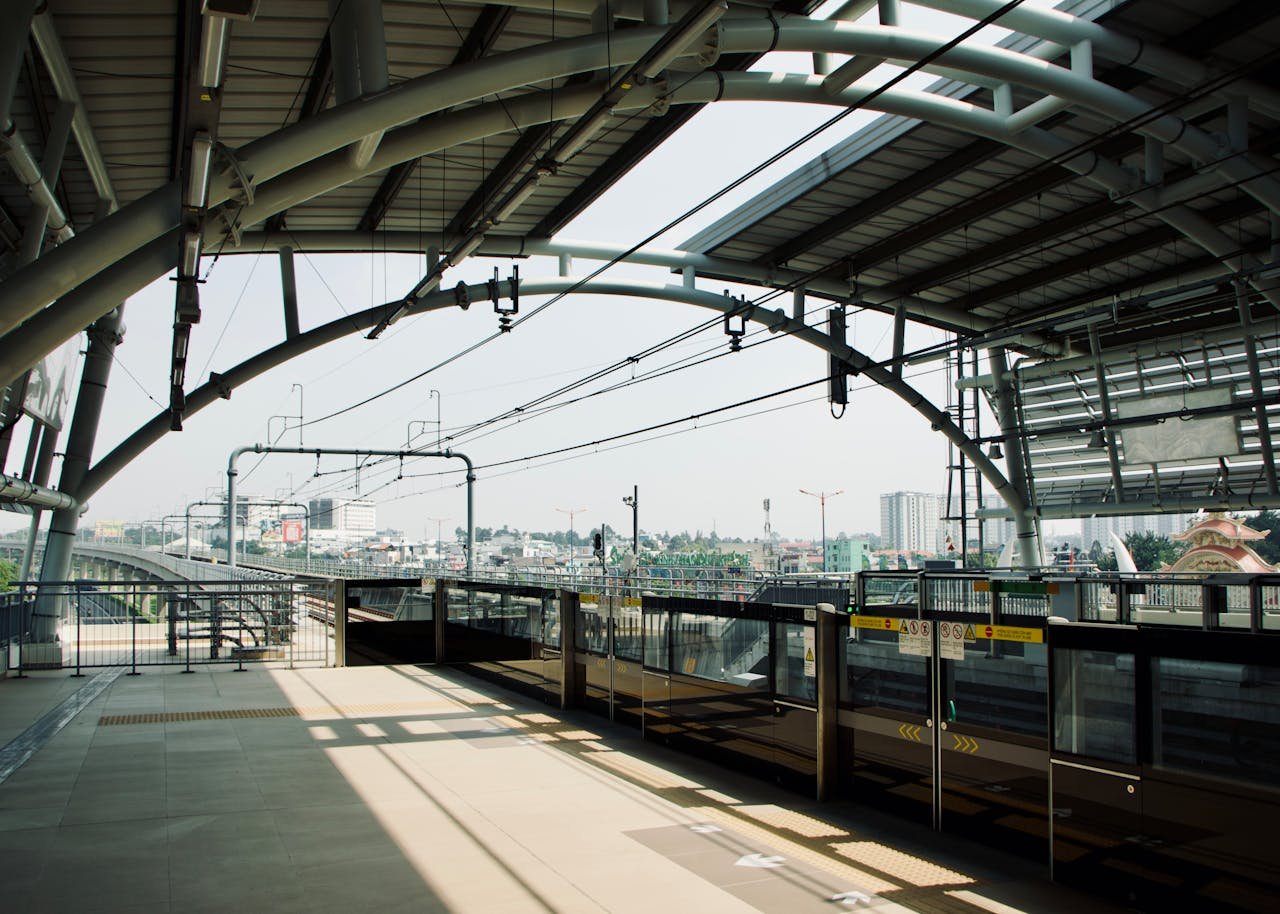
Mumbai’s growing metro network is changing how the city’s real estate market works.
The Mumbai Metro is making it easier to travel between the western suburbs, business centers, and new residential areas.
Areas benefiting from metro connectivity include:
- Thane
- Mira Road
- Andheri
- Dahisar
- Powai
Improved transport infrastructure is reducing dependence on road traffic and increasing buyer interest in suburban housing markets.
In several locations, developers are actively marketing “metro-connected homes” as a premium selling proposition.
Pune: Emerging Metro Corridors Creating Investment Potential
Pune’s real estate market is witnessing a gradual transformation as the Pune Metro develops.
Micro-markets such as:
- Hinjewadi
- Wakad
- Baner
- Pimpri-Chinchwad
are likely to see bigger price increases as metro access gets better.
The growth of Pune’s IT sector is also making more people want to live near metro-connected business areas.
For investors, new metro lines are opening up long-term opportunities in areas that didn’t have good public transport before.

NCR: Metro Connectivity Expanding Beyond Delhi
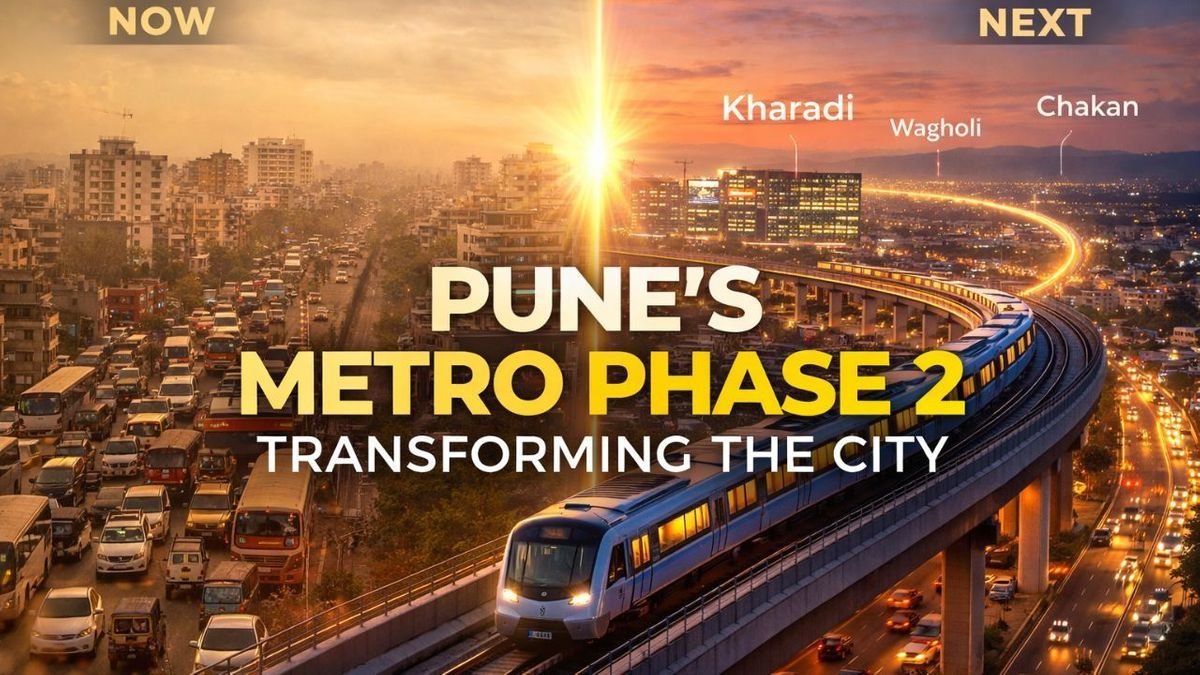
The Delhi Metro remains one of India’s most influential infrastructure projects in terms of real estate impact.
Metro expansion into:
- Noida
- Greater Noida
- Gurugram
- Ghaziabad
- Faridabad
has significantly improved inter-city connectivity within NCR.
Because of this, homes near metro stations are still in high demand, especially for professionals and daily commuters.
New projects like the Rapid Metro and other transit lines are making metro infrastructure even more important for nearby property markets.
Rental Demand Is Also Increasing Near Metro Stations
The metro impact on property prices is not limited to capital appreciation.
More people want to rent in areas with metro access because it’s easier to get to work and business centers.
This is particularly visible in:
- IT corridors
- Commercial hubs
- Student-dominated areas
- Co-living markets
Investors often prioritise metro-accessible properties because they offer stronger occupancy rates and better rental stability.
Commercial Real Estate Is Benefiting Too
Metro expansion is also supporting commercial property growth.
Office developers, retail brands, and co-working operators increasingly prefer locations with direct metro access because it improves employee and customer convenience.
This has led to rising commercial leasing activity near major metro corridors in cities like Bengaluru and Mumbai.
It’s also becoming more common to see mixed-use buildings near metro stations in Indian cities.
Infrastructure-Led Price Growth Has Long-Term Potential
Historically, infrastructure development has created sustained property appreciation in India.
However, how much prices rise depends on factors like:
- Project completion timelines
- Actual operational connectivity
- Nearby employment hubs
- Civic infrastructure quality
- Residential supply levels
Not every metro line leads to instant price jumps. Sometimes, prices go up before the metro is even running, based on speculation.
Investors should therefore evaluate long-term development potential rather than relying solely on announcement-driven sentiment.
Challenges and Risks Investors Should Consider
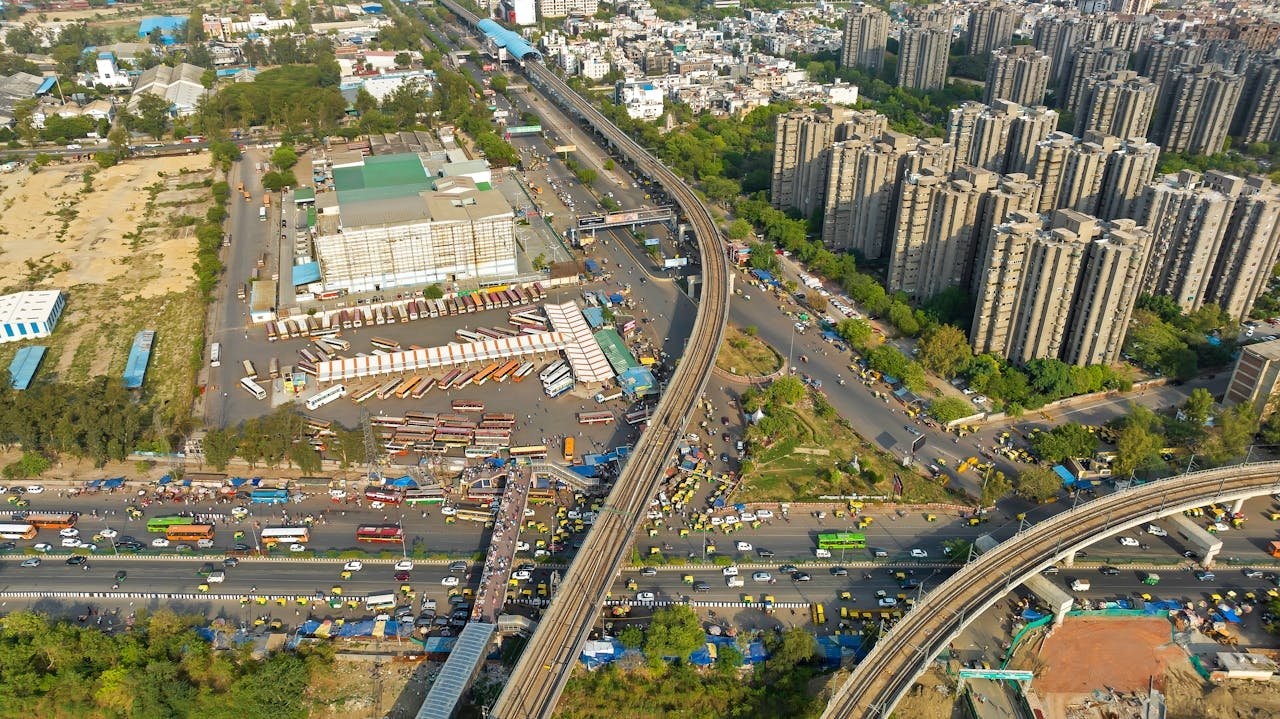
While metro access brings new chances, buyers should also think about real risks.
These include:
- Construction delays
- Traffic disruption during development
- Overpriced pre-launch projects
- High-density development near stations
Investors should look for places where metro growth matches up with other infrastructure and job opportunities.
Areas with strong social infrastructure, schools, hospitals, and commercial ecosystems typically perform better over the long term.
Conclusion
Metro expansion is now one of the main reasons real estate is growing in Indian cities. Better travel options and shorter commutes are making more people want to buy homes and offices.
From Bengaluru’s IT areas to the NCR’s growing metro network, metro projects are changing how people invest and how cities develop across India.
As more infrastructure projects are built, properties near metro stations will likely stay popular with both buyers and long-term investors.